Modern vision systems are expected to do much more than capture clear images. In automotive, robotics, industrial automation, and other edge-AI applications, cameras must provide data that machine-learning models can interpret quickly and reliably. This makes the relationship between the Image Signal Processor (ISP) and the vision processor increasingly important.
Traditional camera pipelines are often designed primarily around human-perceived image quality. However, an image that looks good to a person is not necessarily the best input for an AI model. Research shows that optimizing ISP processing for machine vision can improve downstream computer-vision performance.
This is where ISP and vision processor co-design becomes valuable.
Why the ISP Matters for AI Perception
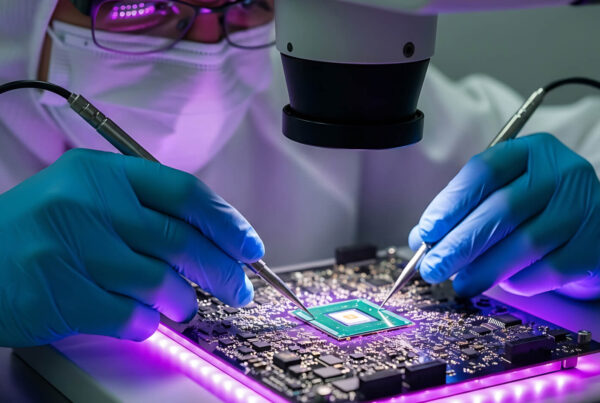
The ISP takes the raw sensor data and produces an image through demosaicing, denoising, color correction, tone mapping, sharpening, and HDR processing. Any of those steps in this conversion process directly impact the input information provided to the downstream vision algorithms.
When the images are intended for human consumption, the key aspect is the visual aesthetics. But when developing ISP for artificial perception, you must consider other factors. Traditional enhancements, such as strong denoising, aggressive sharpening, tone mapping, or compression, can remove details and texture that object detection and segmentation models rely on.
Hence, the performance of the vision algorithm is affected as much by the pre-processing of the raw data as by the network architecture itself. Recent studies focus on task-aware ISP pipelines that preserve important information from the raw data while keeping the complexity of the processing and storage to a minimum.
Moving Beyond Conventional Image Signal Processor Design
Smarter image signal processor design for AI starts with a simple question: what does the vision model actually need? Instead of using the ISP as a standalone tool to polish images, engineers now tune each processing step around downstream perception.
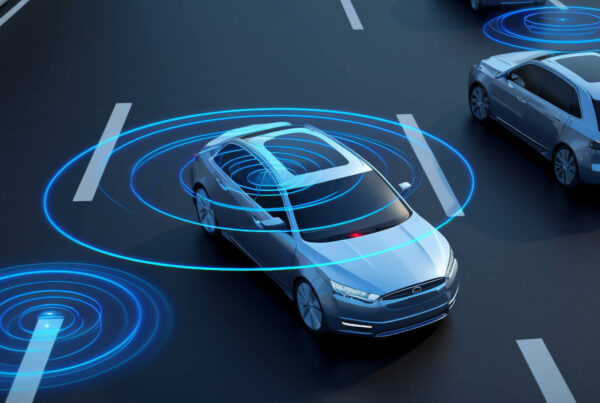
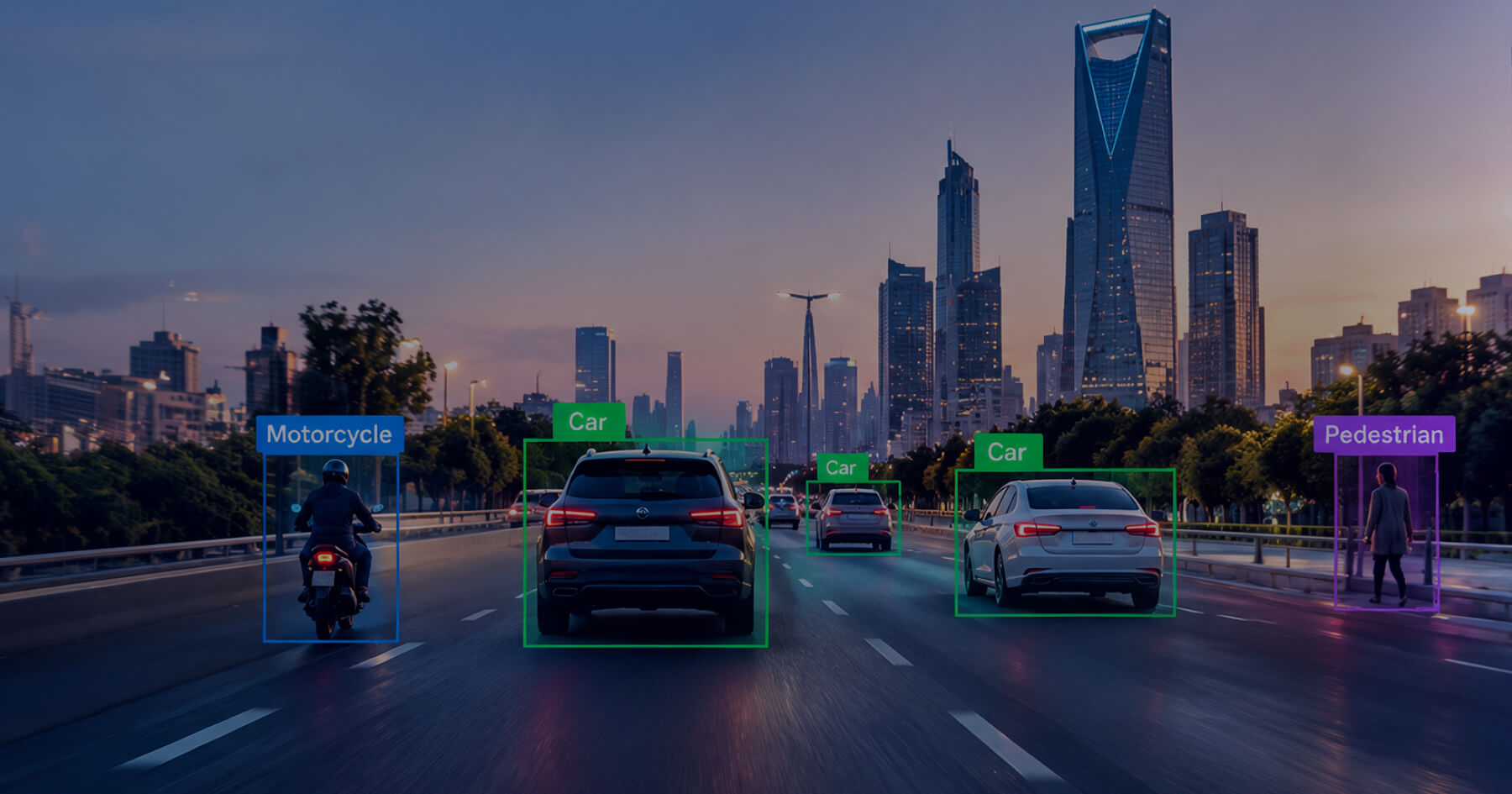
Take autonomous driving. A car’s vision system needs to pick out pedestrians, lane markings, and road signs in blinding glare or deep shadows. Maintaining local contrast, clean color cues, and wide dynamic range matters far more than rendering a picture that looks nice on a dashboard screen.
By tuning the ISP to preserve machine-critical data and skip decorative polish, you don’t just improve detection accuracy; you also cut redundant data transfer, saving valuable bandwidth, memory, and battery power.
The Role of Vision Processor Design
The vision processor design plays an equally important role in how efficiently a vision system handles AI workloads. When designed alongside the ISP, it can help reduce unnecessary processing and keep the entire pipeline more efficient.
- Better workload sharing: The ISP can handle image processing, while dedicated hardware takes care of AI inference and complex vision tasks.
- Less data movement: Closer integration can reduce the need to repeatedly move image data through external memory, lowering latency and bandwidth use.
- Lower power use: Fewer redundant operations and memory transfers can help reduce energy consumption, which matters for edge and automotive systems.
- Faster processing: A more tightly connected pipeline can move data from image capture to AI inference more quickly, supporting real-time applications.
Research on AI-ISP architectures also shows the potential of this approach, with tightly integrated designs helping reduce memory access and processing latency.
How ISP Co-Design Can Improve Overall Performance
ISP co-design is not simply about connecting two processors more closely. It involves making architectural decisions across the imaging and AI pipeline together.
Several areas can benefit:
- Better data quality: ISP stages can be tuned for machine perception rather than human viewing alone.
- Lower latency: Closely coupled processing reduces unnecessary data transfers and scheduling overhead.
- Improved memory efficiency: Intermediate data can potentially remain closer to the processing elements instead of repeatedly moving to external memory.
- Power optimization: Removing redundant operations can reduce compute and memory traffic.
- Application-specific performance: The pipeline can be tailored to workloads such as ADAS, robotics, industrial inspection, or smart cameras.
This becomes particularly important at the edge, where systems often need real-time performance within strict thermal and power budgets.
Designing for the Complete Vision Pipeline
The biggest advantage of co-design is that it changes the engineering question. Rather than asking, “How can we make the image look better?” or “How can we run this AI model faster?”, teams can ask how the complete camera-to-perception pipeline should work.
That requires collaboration across sensor characteristics, ISP algorithms, processor architecture, AI models, memory hierarchy, software, and system requirements. It can also involve hardware-software optimization and application-specific tuning.
For safety-critical automotive systems, additional requirements such as functional safety and reliability become important. Dream Chip Technologies, for example, highlights ISO 26262-compliant imaging solutions and offers ISP architectures designed around performance, silicon-area efficiency, and low latency.
Dream Chip Technologies: Connecting ISP and Vision Expertise
Dream Chip Technologies brings together imaging and semiconductor engineering expertise that aligns closely with the principles of ISP and vision processor co-design. Its modular ISP solutions support customization across performance, power efficiency, and silicon area, with capabilities extending to high-resolution and high-frame-rate processing.
As a Tessolve company, Dream Chip Technologies combines its vision and imaging capabilities with broader semiconductor and engineering expertise. Its work spans custom SoCs, ASICs, FPGAs, embedded software, and complex systems, positioning it well for projects where imaging and processing must be considered together.
For organizations looking to improve AI perception accuracy through a more integrated imaging architecture, Dream Chip Technologies offers a strong foundation for developing application-specific vision solutions, from architecture through implementation and system integration. The broader direction is clear: as AI moves closer to the camera and edge, optimizing the ISP and vision processor as a single system can become as important as improving the AI model itself.
Frequently Asked Questions
1. What does ISP and Vision Processor Co-Design mean?
It is the process where both image processing and vision computation stages are co-designed in order to enhance performance and AI inference outcomes.
2. How does ISP co-design help in AI perception accuracy?
It is able to retain important data from images and eliminate inefficiencies in the processes.
3. Why is image signal processor design important for AI?
It determines how raw sensor data is processed, directly affecting the quality of information available to AI models.
4. What are the benefits of integrating an ISP with a vision processor?
Integration can reduce latency, memory movement, power consumption, and redundant processing across the complete vision pipeline.