Modern devices are expected to be faster, smarter, and more reliable than ever, and behind that expectation lies a complex world of embedded systems. From smart home devices and wearables to automotive platforms and industrial robots, these systems quietly power everyday technology. What truly makes them intelligent isn’t just the hardware; it’s the combination of smart software and advanced diagnostics that ensure reliability, performance, and safety. One of the most exciting innovations driving this shift is Edge AI Test Agents, a powerful blend of artificial intelligence and on-device intelligence that’s transforming how diagnostics are performed in embedded platforms.
In this blog, we’ll explore what Edge AI Test Agents are, why they matter for modern embedded systems, and how they’re changing the game in testing and diagnostics.
What Are Edge AI Test Agents?
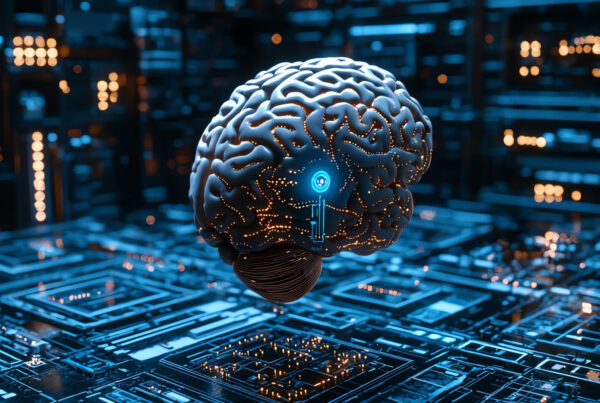
Edge AI Test Agents are autonomous, machine-learning-powered diagnostic tools built directly into embedded devices. Unlike traditional diagnostic systems that rely on off-device processing, these agents perform real-time analysis on the device itself, using neural networks and intelligent models to detect anomalies, predict failures, and even suggest corrective actions.
Think of them as smart watchdogs living inside your system: constantly learning normal behavior, spotting patterns that signal issues, and acting faster than any human engineer could.
Why Edge AI Test Agents Are a Big Deal
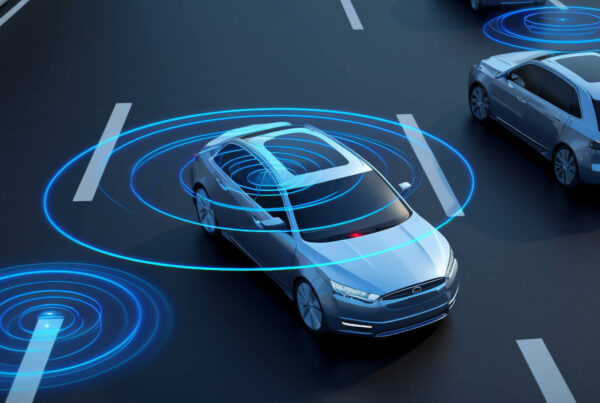
The rise of the Internet of Things (IoT), autonomous vehicles, and real-time automation demands embedded systems that are robust, adaptable, and self-aware. Here’s where Edge AI Test Agents shine:
1. Real-Time Diagnostics
Since these test agents operate on the device, they can detect issues instantaneously, no need to send data back to a central server or cloud for analysis. This is crucial for systems where every millisecond counts, such as industrial robots or automotive safety systems.
2. Reduced Data Transmission and Latency
Sending raw operational data to remote servers for analysis increases both latency and bandwidth usage. Edge AI agents eliminate this by processing data locally, bringing faster response times and more efficient use of network resources.
3. Continuous Learning and Adaptation
AI models embedded in these systems are no longer static. They can continually learn from ongoing data, recognizing new fault signatures and evolving system patterns, much like a human expert gaining experience over time.
Bridging the Gap Between Design and Production
Developing embedded systems that perform reliably in the real world is a huge engineering challenge. That’s where deep diagnostics and robust testing methodologies come in. For decades, solutions in test engineering have been the backbone of bringing resilient products to market. Today, embedding AI into diagnostics takes this to the next level.
Traditionally, system validation relied on scheduled manual tests or post-production checks. With Edge AI Test Agents embedded into the device firmware or operating system, systems constantly monitor their own health and performance. These agents use data to flag early signs of degradation, for instance, a memory error pattern that could predict future failure, helping engineers intervene before a small glitch turns into a costly breakdown.
Elevating ATE Testing with Intelligent Agents
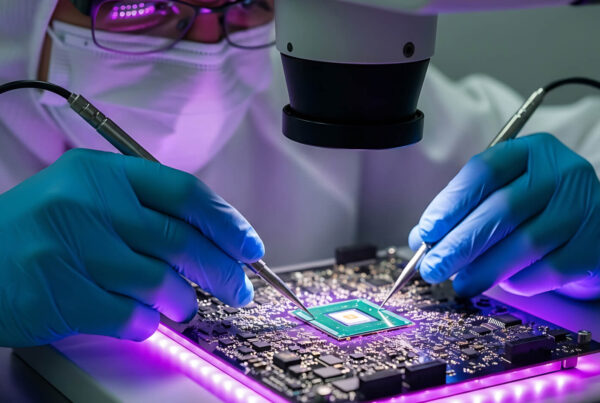
Automated Test Equipment (ATE) has long been the industry’s go-to for functional and performance verification of hardware and integrated circuits during manufacturing. However, once products leave the factory floor, ATE’s role diminishes, until now.
By integrating AI test capabilities directly into devices, engineers can simulate aspects of ATE testing throughout a product’s life cycle. Edge AI Test Agents can:
- Monitor signals and performance metrics once only observable in controlled test environments.
- Capture complex fault signatures that help refine future ATE test patterns.
- Provide remote diagnostics that maintain quality without physical access to test setups.
In essence, smart test agents extend the value of ATE testing into the operational phase, creating a new layer of lifecycle quality assurance.
AI in Test Engineering: Use Cases, Tools, and Real-World Impact
Meeting the Demands of Semiconductor Testing
Semiconductors, especially those powering modern embedded solutions, are incredibly complex. With billions of transistors, high-speed interfaces, and intricate power configurations, ensuring these chips work as expected is no small feat.
Edge AI Test Agents help close the loop between manufacturing validation and real-world performance. They can collect operational data, detect subtle deviations, and even assist in root-cause analysis. For example, an agent could identify a signal integrity issue that only appears under specific temperature or load conditions, a scenario that might escape traditional validation tests.
This real-time operational insight feeds back into the semiconductor development cycle, helping designers improve future iterations and reduce field failures.
Design Considerations: Balancing Performance and Diagnostics
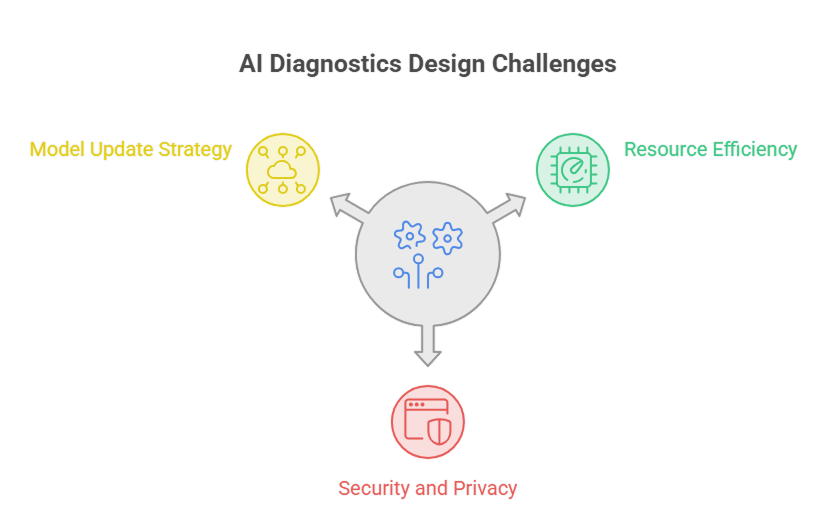
While the benefits are clear, embedding AI diagnostic capabilities into edge devices requires thoughtful design:
- Resource Efficiency: Edge systems often have limited memory, processing power, and energy budgets. AI models must be optimized to run efficiently without compromising core system performance.
- Security and Privacy: Running diagnostics on device data requires careful handling to ensure sensitive information isn’t exposed or misused. Secure execution and data protection mechanisms are essential.
- Model Update Strategy: AI models must be updatable, either over-the-air (OTA) or during maintenance cycles, to adapt to new fault patterns without requiring full firmware upgrades.
These considerations are not just technical challenges; they’re also opportunities to innovate smarter, more resilient embedded platforms.
The Future of Diagnostics: Autonomous Self-Healing Systems
Looking ahead, Edge AI Test Agents could evolve into proactive self-healing mechanisms. Instead of merely detecting faults, future agents might adjust system parameters autonomously to mitigate issues, for example, redistributing workload to avoid failing components or rediscovering optimal clocking strategies during degraded states.
This future is a leap toward fully autonomous systems capable of maintaining high uptime and resilience in unpredictable environments, from remote industrial sensors to next-generation autonomous vehicles.
Tessolve: Driving Innovation in Edge AI and Embedded Diagnostics
At Tessolve, we understand the evolving demands of intelligent systems and the need to merge cutting-edge diagnostics with real-world performance. As a global leader in semiconductor testing and embedded systems engineering, we provide comprehensive services that span from design and validation to advanced testing and system integration.
Our expertise encompasses high-performance test labs, functional test benches, system-level testing frameworks, and tailored solutions that ensure robust performance across diverse industries, from automotive to industrial IoT. We blend deep domain knowledge with practical insights to help engineers and product teams accelerate development cycles while maintaining uncompromising quality.
With a visionary approach to embedded systems and edge AI solutions, Tessolve works closely with customers to implement intelligent diagnostics strategies that empower devices to not just function, but thrive.
Whether you’re navigating complex silicon challenges or embedding AI-driven diagnostics into your next product, our team delivers the technical excellence and innovation needed to succeed in today’s dynamic technology landscape.
Frequently Asked Questions
1. What are Edge AI Test Agents in embedded systems?
Edge AI Test Agents are intelligent, on-device tools that monitor performance, detect faults, and enable real-time diagnostics.
2. How do Edge AI Test Agents improve system reliability?
They continuously analyze operational data, detect anomalies early, and help prevent failures before they impact performance.
3. Can Edge AI Test Agents work without cloud connectivity?
Yes, they process data locally on the device, reducing latency and ensuring diagnostics work even offline.
4. Are Edge AI Test Agents suitable for resource-constrained devices?
Yes, optimized AI models are designed to run efficiently within limited processing, memory, and power constraints.
5. How do Edge AI Test Agents support long-term product maintenance?
They provide ongoing health monitoring, actionable insights, and predictive diagnostics throughout the product’s operational lifecycle.